
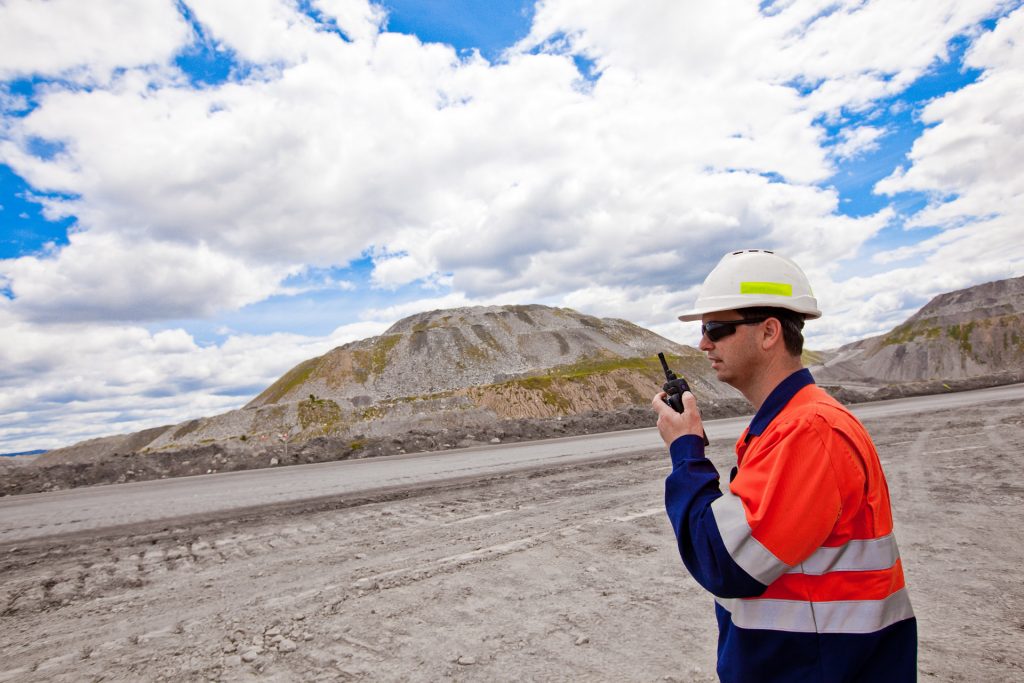
Deep in the underground, time is everything.
Suddenly a loader clips a support beam. The dust drifts along the tunnel. Visibility drops fast. There is a scream, nearly drowned out by the roar of the equipment. In such a case, panic will spread as fast as the debris. Luck did not help prevent this from becoming a full-scale emergency. It was communication. Immediate, precise, and reliable communication.
Rugged two-way radios pierced through the confusion, and supervisors could stop equipment, divert crews, and organize ventilation changes before the situation deteriorated. A reinforced concrete and rock carrier signals reliably due to a well-designed distributed antenna system (DAS). No scrambling for phones. No dropped calls. Simply calm, reassuring voices that directed people to safety.
That scene demonstrates what mining activities in Canada already know: when the situation becomes unsafe, communication is not a luxury. It’s a must. And that fact determines all the decisions regarding the radios applied underground and on the surface.
Mining Environments Demand Specialized Two-Way Radios
The mining industry is merciless. The environment does not spare electronics, whether in a hard-rock mine in northern Ontario or a surface operation in British Columbia. Fluctuations in temperature are typical. Dust is constant. The dampness appears in the wrong places. Radios are dropped, scraped, wet, and vibrated every day. Combine tight spaces, lengthy tunnel excavations, heavy construction, and dense geological structures, and standard communication devices just do not work.
Mining crews also don’t work in quiet conditions. Equipment noise, blasting operations, and ventilation systems all compete with voice traffic. A radio that sounds fine in an office or warehouse may be useless underground.
Coverage is another issue. Mines aren’t an open space. They are reinforced with steel. They are multi-layered. And they keep on evolving as operations increase. The mining activities will need high-quality two-way radios that can connect to other infrastructure, such as a DAS, to provide broader signal coverage where natural propagation is not feasible.
All of these factors demand radios that are designed specifically for extreme industrial use. Radios that are built to survive, not just function.
Features Required by Two-Way Radios for Mining
Before brand names or model numbers ever enter the conversation, mining operations focus on capabilities.
Durability is the starting point. Two-way radios for mining need reinforced housings, sealed ports, and high ingress protection (IP) ratings to withstand dust and water exposure. Their high “Mil Spec” ratings indicate an ability to endure harsh punishment. After all, if a radio can’t survive being repeatedly dropped onto rock or steel, it won’t last long underground.
Audio performance matters just as much. Loud, clear speakers and advanced noise suppression ensure messages get through over engines and drills. In mining, “Can you repeat that?” isn’t just inconvenient. It can be pretty risky.
Battery life is another non-negotiable. Prolonged work hours, low temperatures, and power shortages require batteries that do not run out quickly.
Safety features also play a part. Emergency alert buttons, lone worker features, and intrinsically safe features are frequently needed depending on the location.
Compatibility matters. The radios should be compatible with repeaters, leaky feeder systems, and DAS installations that are capable of penetrating deep into the mine. Even the most difficult radio cannot work without regular access to signals.
When these requirements are well met, certain manufacturers begin to climb to the top.
Kenwood and Motorola Radios That Withstand Mine Conditions
Motorola Solutions and Kenwood are brands that mining teams can always rely on when operations require equipment that can withstand actual punishment. Two manufacturers make two-way radios specifically for heavy-duty industrial use rather than light commercial applications.
Motorola Portable Radios for Mining
- MOTOTRBO™ R7 and R5 Portables – The MOTOTRBO™ R7 and R5 Portable radios are designed for use in harsh underground environments where drops, dust, and water are part of the job. Their robust structure withstands the abuse of everyday life in the mine, and their powerful sound performance ensures that messages are clear even amid drills, loaders, and ventilation systems. There are also safety-oriented features that enable quick responses to changes in underground conditions.
Motorola Mobile Radios for Mining Vehicles and Fixed Locations
- MOTOTRBO™ XPR 5550e Mobile Radio – Mobile radios like the MOTOTRBO™ XPR 5550e Mobile Radio are designed to operate reliably in haul trucks, service vehicles, and fixed control points. They’re engineered to handle vibration, temperature swings, and long hours of continuous use, making them a dependable link between moving equipment and supervisory teams.
Kenwood Portable Radios for Mining
- NX-5000 and NX-3000 Portables – The NX-5000 and NX-3000 Series Portable radios offer rugged housings and consistent transmit power, making them suited for challenging RF environments. Their flexibility allows them to integrate into complex mining communication systems while still delivering clear audio in areas with less forgiving signal conditions.
Kenwood Mobile Radios for Mining Vehicles and Fixed Locations
- NX-5800 Mobile Radio – The NX-5800 Mobile radio is not only used on the surface but also in underground applications, making it suitable for any heavy-duty use. Its durability and audio clarity make it a powerful alternative for vehicles and command posts that need consistent, dependable communication during the shift.
What all of these radios have in common isn’t just a manufacturer name. It’s a shared design philosophy focused on reliability, safety, and the ability to survive real-world abuse. And even the toughest radio still depends on the right partner to deploy it correctly.
Why Mine Operations Trust Tridon Communications
Choosing the right radio is only part of the equation. How that radio is deployed, supported, and integrated into the broader communication system matters just as much.
Tridon Communications has locations throughout Alberta, Saskatoon, and British Columbia. They possess decades of experience in harsh industrial settings, including mining operations across Canada. Their team realizes the impact of underground layouts, geological conditions, and workflow on radio performance.
Tridon does not adopt a cookie-cutter design. Their communication systems are designed to meet coverage requirements, accommodate future expansion, and address safety-related demands. This level of expertise becomes critical when operations depend on clear communication to prevent incidents, manage emergencies, and keep crews connected day after day.
Tridon Communications doesn’t just supply the black boxes. They engineer best-in-class communication reliability.
Trust Tridon TODAY!